
Latest
 https://www.astri.inaf.it/wp-content/uploads/2026/02/Specola-BO.png
675
1200
Sara Anzuinelli
http://astri.me.oa-brera.inaf.it/wp-content/uploads/2025/03/logo-ASTRI-LAST2022.png
Sara Anzuinelli2026-02-05 10:51:312026-02-05 10:55:59ASTRI among the key players in the renewal of the Specola Museum of the University of Bologna
https://www.astri.inaf.it/wp-content/uploads/2026/02/Specola-BO.png
675
1200
Sara Anzuinelli
http://astri.me.oa-brera.inaf.it/wp-content/uploads/2025/03/logo-ASTRI-LAST2022.png
Sara Anzuinelli2026-02-05 10:51:312026-02-05 10:55:59ASTRI among the key players in the renewal of the Specola Museum of the University of Bologna https://www.astri.inaf.it/wp-content/uploads/2026/01/ASTRI-wide-fov-evidenza.png
675
1200
Sara Anzuinelli
http://astri.me.oa-brera.inaf.it/wp-content/uploads/2025/03/logo-ASTRI-LAST2022.png
Sara Anzuinelli2026-01-29 09:54:132026-01-29 16:26:48ASTRI Mini-Array opens a large window on the gamma-ray sky
https://www.astri.inaf.it/wp-content/uploads/2026/01/ASTRI-wide-fov-evidenza.png
675
1200
Sara Anzuinelli
http://astri.me.oa-brera.inaf.it/wp-content/uploads/2025/03/logo-ASTRI-LAST2022.png
Sara Anzuinelli2026-01-29 09:54:132026-01-29 16:26:48ASTRI Mini-Array opens a large window on the gamma-ray sky https://www.astri.inaf.it/wp-content/uploads/2026/01/Giada-Peron-Westerlund1.png
675
1200
Sara Anzuinelli
http://astri.me.oa-brera.inaf.it/wp-content/uploads/2025/03/logo-ASTRI-LAST2022.png
Sara Anzuinelli2026-01-21 14:21:072026-01-21 14:26:02Cosmic rays escaping from Westerlund 1
https://www.astri.inaf.it/wp-content/uploads/2026/01/Giada-Peron-Westerlund1.png
675
1200
Sara Anzuinelli
http://astri.me.oa-brera.inaf.it/wp-content/uploads/2025/03/logo-ASTRI-LAST2022.png
Sara Anzuinelli2026-01-21 14:21:072026-01-21 14:26:02Cosmic rays escaping from Westerlund 1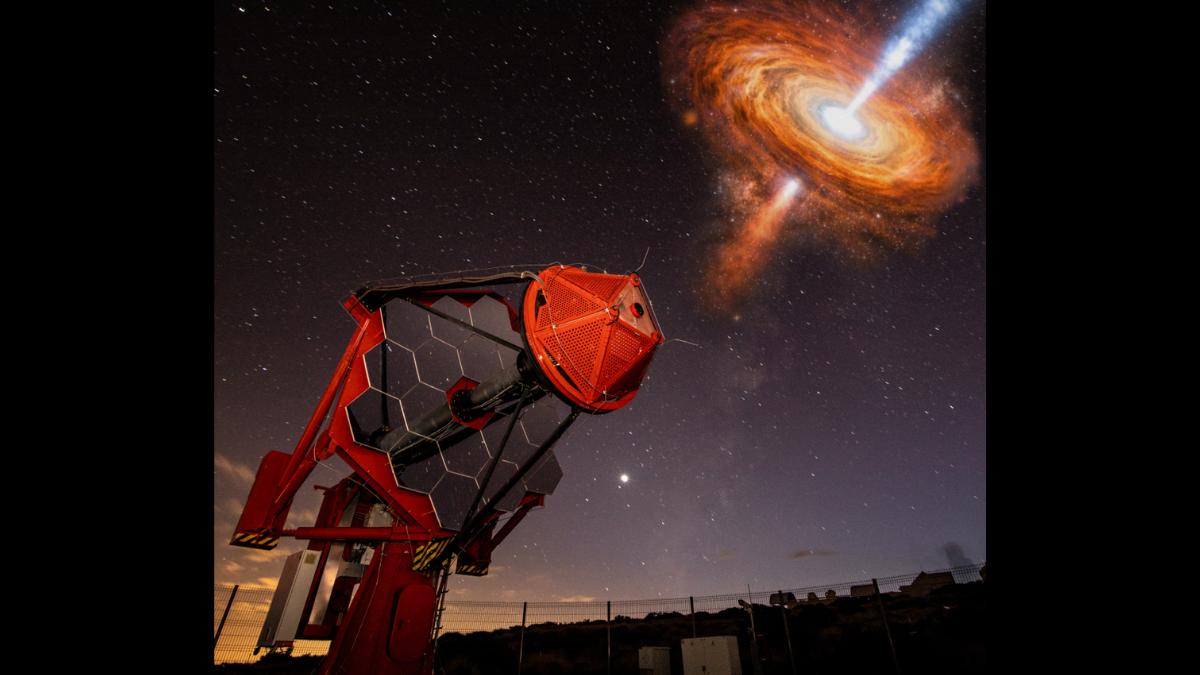 https://www.astri.inaf.it/wp-content/uploads/2026/01/Mrk-421-Atel.png
675
1200
Sara Anzuinelli
http://astri.me.oa-brera.inaf.it/wp-content/uploads/2025/03/logo-ASTRI-LAST2022.png
Sara Anzuinelli2026-01-16 13:36:122026-01-16 14:18:28First milestone for ASTRI
https://www.astri.inaf.it/wp-content/uploads/2026/01/Mrk-421-Atel.png
675
1200
Sara Anzuinelli
http://astri.me.oa-brera.inaf.it/wp-content/uploads/2025/03/logo-ASTRI-LAST2022.png
Sara Anzuinelli2026-01-16 13:36:122026-01-16 14:18:28First milestone for ASTRI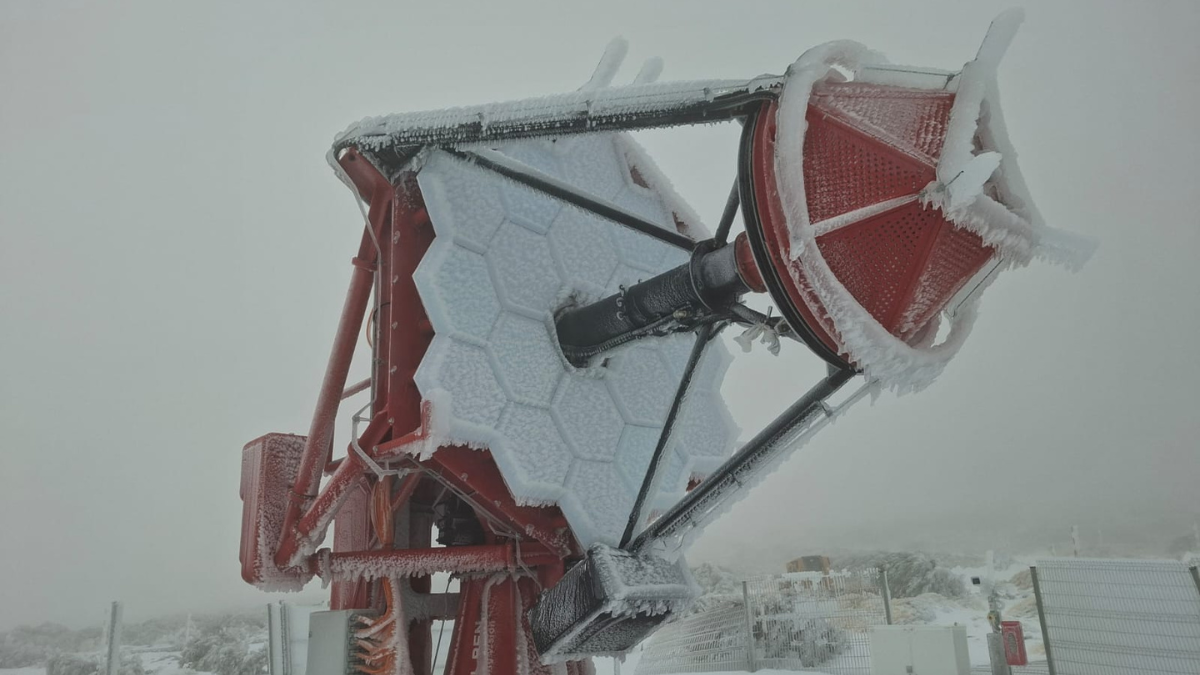 https://www.astri.inaf.it/wp-content/uploads/2026/01/Tempesta-Emilia.png
675
1200
Sara Anzuinelli
http://astri.me.oa-brera.inaf.it/wp-content/uploads/2025/03/logo-ASTRI-LAST2022.png
Sara Anzuinelli2026-01-14 11:39:382026-01-14 11:51:02Emilia challenges the ASTRI Mini-Array in the Canary Islands
https://www.astri.inaf.it/wp-content/uploads/2026/01/Tempesta-Emilia.png
675
1200
Sara Anzuinelli
http://astri.me.oa-brera.inaf.it/wp-content/uploads/2025/03/logo-ASTRI-LAST2022.png
Sara Anzuinelli2026-01-14 11:39:382026-01-14 11:51:02Emilia challenges the ASTRI Mini-Array in the Canary Islands https://www.astri.inaf.it/wp-content/uploads/2025/12/Congressi-dicembre-ASTRI.png
675
1200
Sara Anzuinelli
http://astri.me.oa-brera.inaf.it/wp-content/uploads/2025/03/logo-ASTRI-LAST2022.png
Sara Anzuinelli2025-12-19 11:36:112025-12-19 11:55:58ASTRI takes part in two major international scientific conferences
https://www.astri.inaf.it/wp-content/uploads/2025/12/Congressi-dicembre-ASTRI.png
675
1200
Sara Anzuinelli
http://astri.me.oa-brera.inaf.it/wp-content/uploads/2025/03/logo-ASTRI-LAST2022.png
Sara Anzuinelli2025-12-19 11:36:112025-12-19 11:55:58ASTRI takes part in two major international scientific conferencesThis post is also available in: Italian


