
When science meets technology: the ASTRI ICT infrastructure developed in collaboration with E4 Company
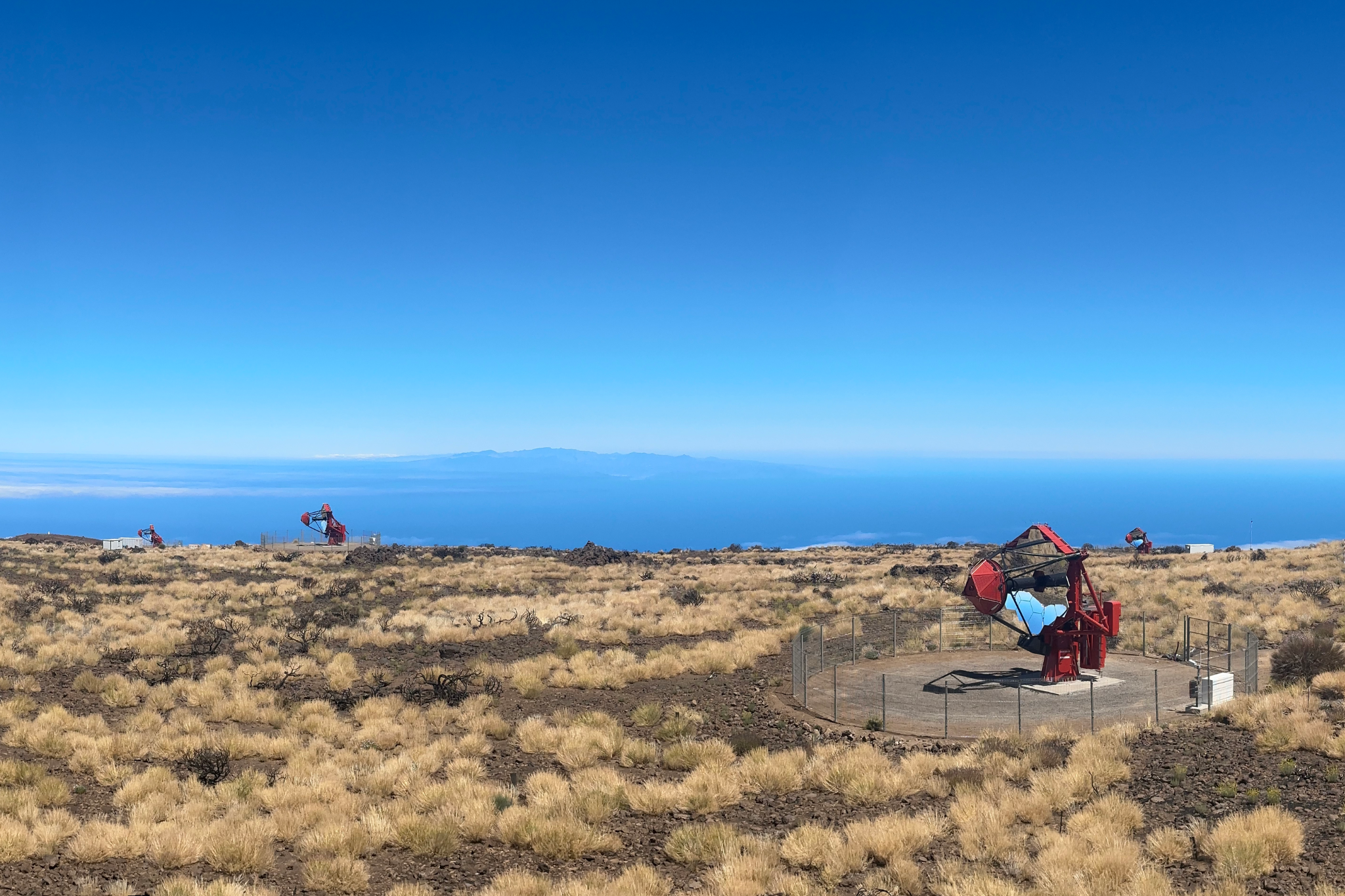
ASTRI Mini-Array is taking shape at the Teide Observatory in Tenerife: seven Cherenkov telescopes have already been installed and will soon become nine, creating a unique system for studying gamma rays from the Universe.
Such an ambitious project does not rely solely on the opto-mechanical system of the telescopes and the focal plane cameras: behind the scenes an advanced ICT (Information and Communication Technology) infrastructure is at work, designed to effectively support the software that remotely controls each instrument, acquires and analyzes scientific data in real time, securely stores information, and ensures stable, uninterrupted communication with INAF’s (Istituto Nazionale di Astrofisica) computing centers in Italy.
INAF (responsible for ASTRI’s development), drawing on experiences gained also in the space sector, faced this challenge by appointing Fulvio Gianotti of the Osservatorio di Astrofisica e Scienza dello Spazio (OAS) in Bologna to coordinate the ICT. Gianotti, together with other INAF colleagues, designed ASTRI’s high-level ICT architecture and oversaw its implementation, entrusted to the Italian company E4 Computer Engineering, winner of the related tender.
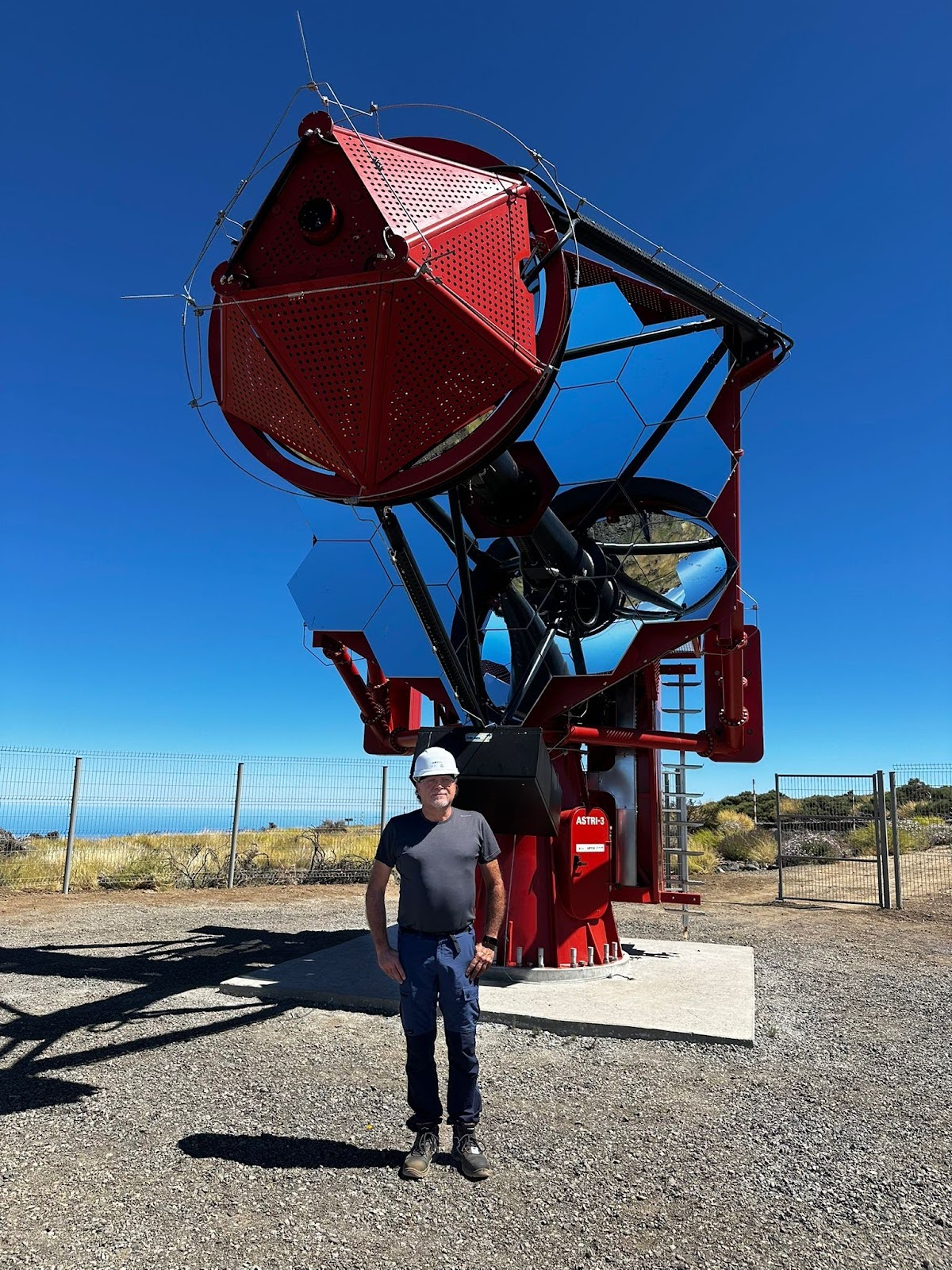
Technological and environmental challenges
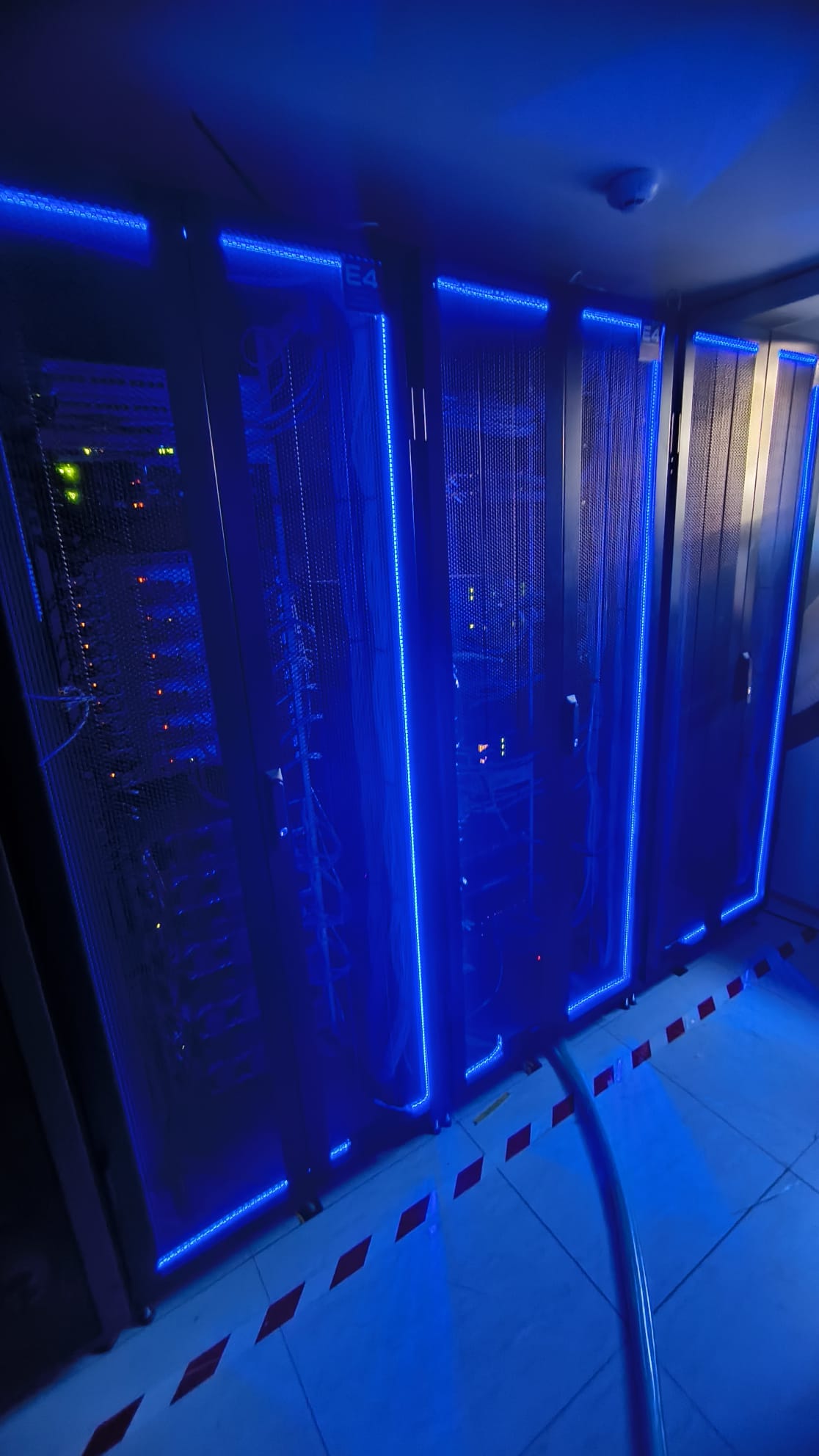
A model for the future
Notes
ASTRI Mini-Array is an international project led by INAF and supported by the Italian Ministry of University and Research (MUR), with the involvement of international partners such as the Instituto de Astrofísica de Canarias (Spain), the Fundación Galileo Galilei (Italy/Spain), the Universidade de São Paulo (Brazil), North-West University (South Africa), and the Université de Genèva (Switzerland).
The completion of the ASTRI Mini-Array is made possible thanks to collaboration with a number of engineering firms and industries, including (in alphabetical order):
AC3E (Cile), BCV Progetti, Dal Ben spa, CAEN spa, E4 Computer & Engineering spa, EIE GROUP srl, Empresa de Ingegneria Saavedra (Spagna), Hamamatsu Photonics Italia spa, Media Lario srl, Nuclear Instruments srl, WEEROC (Francia), VVD (Spagna), ZAOT srl
This post is also available in: Italian


 Credits: E. Cascone

