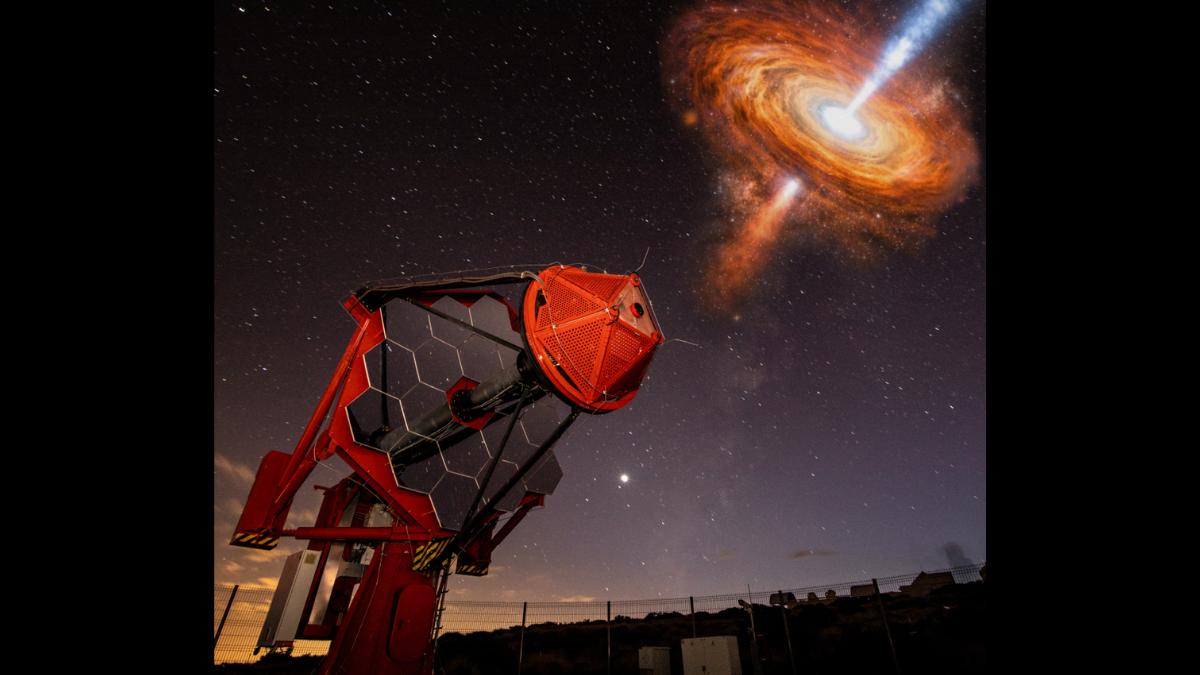
Emilia challenges the ASTRI Mini-Array in the Canary Islands
Wind, snow, and blackout at the Teide Observatory: but no damage to the telescopes, which successfully weathered the extreme event
Over the weekend of December 12th and 14th, a storm named Emilia hit the Canary Islands. These phenomena are fairly typical in this part of the Atlantic during autumn, winter, and part of spring, but only on a few occasions—like this one—do they directly affect the archipelago. Overall, the population endured significant discomfort from the winds and heavy rains, which caused damage—though not severe—and several interruptions to road traffic.
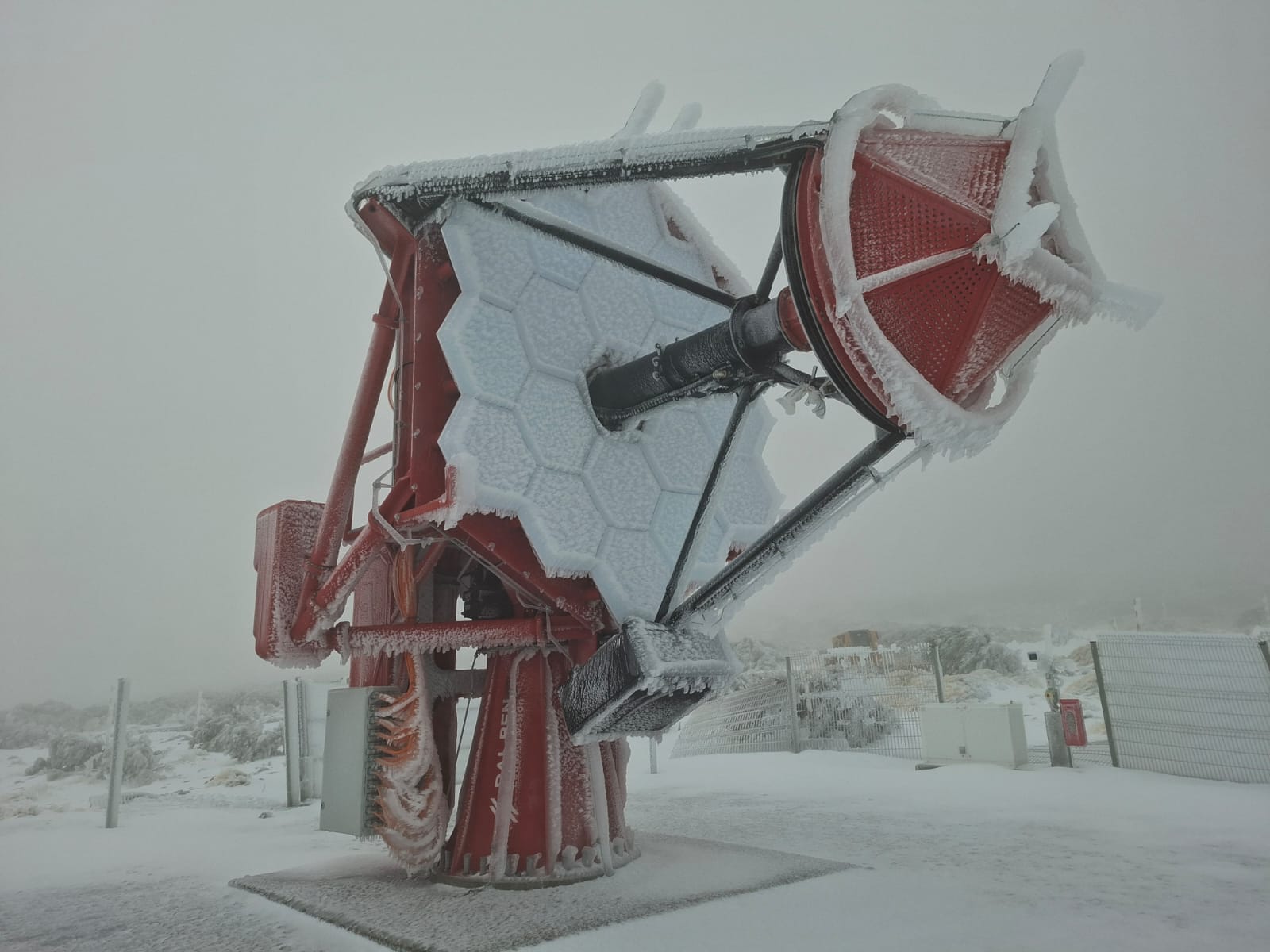
The storm also hit the Teide Observatory, where it recorded the heaviest snowfall in recent years, along with winds gusting to 160 km/h. Power went out around midnight (local time) on Friday, the 12th, and was restored between Sunday the 14th, and Monday, the 15th. Unfortunately, the outage occurred overnight and was sudden and unexpected, especially in its duration.
The power outage impacted both the telescopes and the data center. The telescopes, which were all parked, had power supplied by the generator and UPS for a few hours but then shut down as expected, since these emergency systems are designed only to protect the telescopes, not to keep them operational. The data center was inaccessible for several hours due to an external malfunction. Once the connection was reestablished, we monitored the system status and restored part of the data center. Since then, the ASTRI Project Office, along with the Director of Fundación Galileo Galilei (FGG), has been closely overseeing the situation.
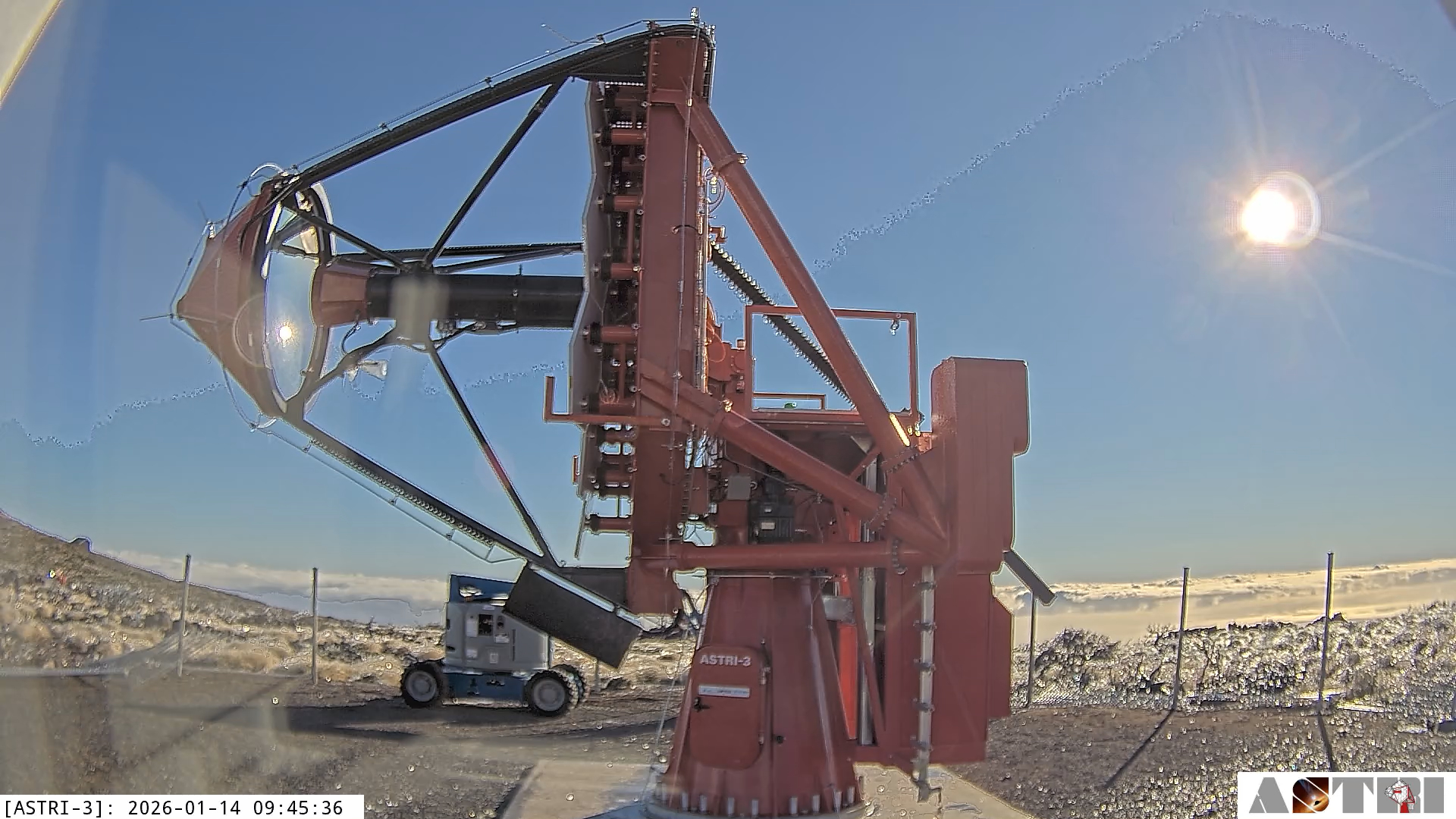
The data center returned to full operation on the afternoon of Monday, December 15th. On December 16th, an INAF/FGG team was able to inspect the site thanks to the partial reopening of the road leading to the Observatory. No telescopes sustained structural, mirror, or instrument damage. The damage detected, caused by the combined effects of snow, frost, and wind, affected the enclosures of all the telescopes, one of the weather stations, and the All-Sky Camera used to monitor sky conditions. The ASTRI-1 and ASTRI-3 telescopes were powered up and successfully tested after a few days, allowing some tests planned for the nights following the severe weather.
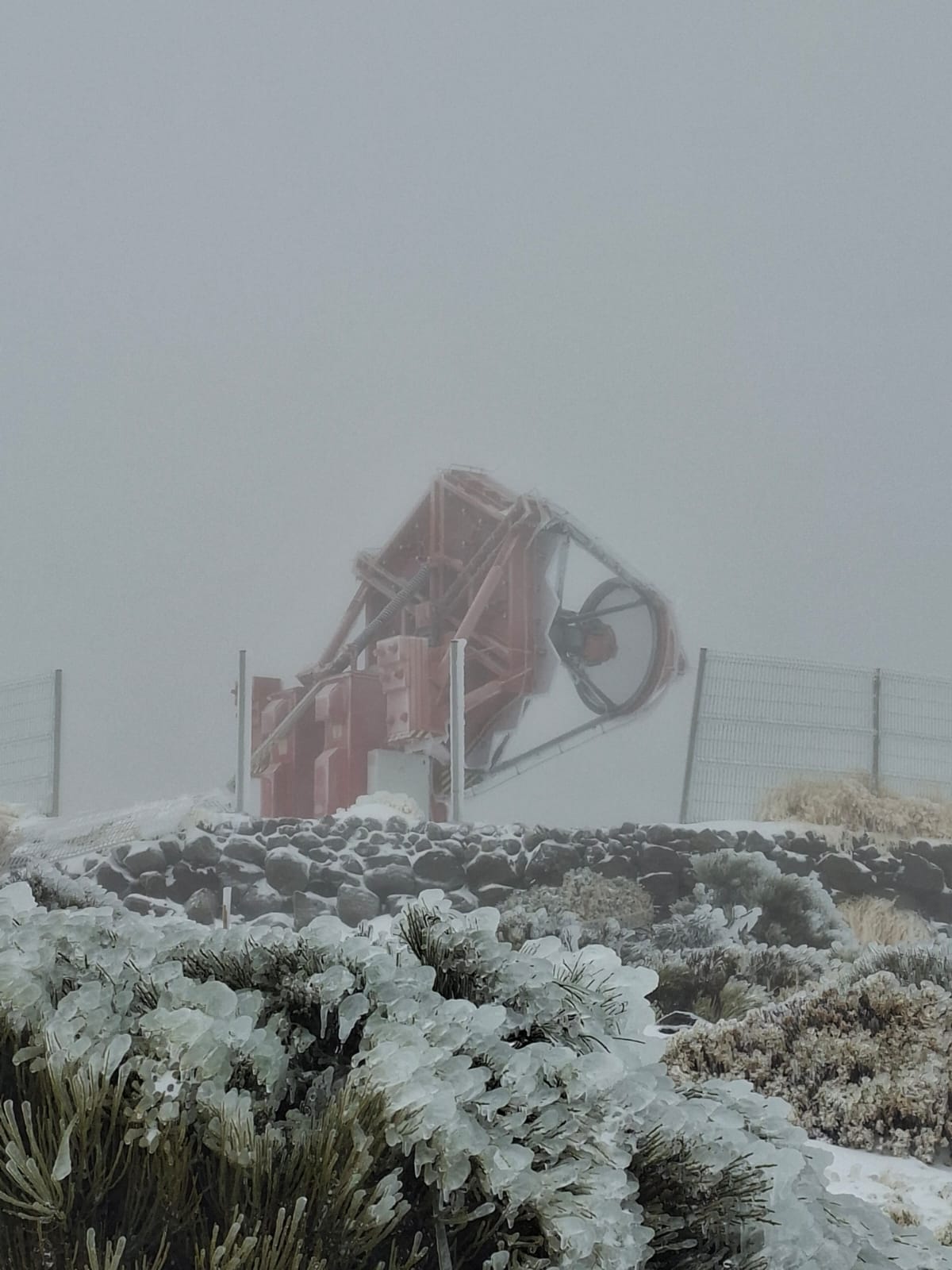
Although it was not possible to take preventive measures, Storm Emilia proved to be an important stress test: the ASTRI Mini-Array passed the test with flying colors, demonstrating its ability to withstand even extreme environmental conditions.
This post is also available in: Italian